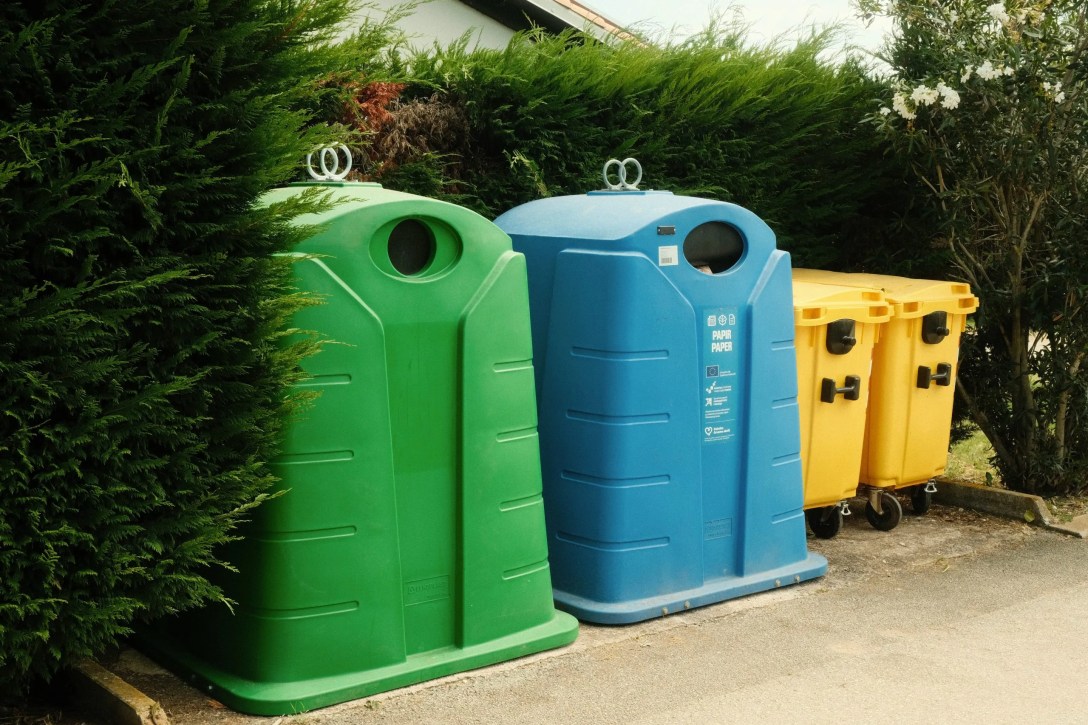
Effective waste management is not just a necessity: it’s a responsibility we all share. In the Central Coast region, skip bins have emerged as a practical solution for addressing diverse waste management needs, from home renovations to commercial projects. This guide explores how skip bins Central Coast services can optimize waste handling, ensure environmental sustainability, and simplify tasks for residential and commercial users alike.
Understanding Skip Bins and Their Uses
What Are Skip Bins?
Skip bins are large, open containers designed for the collection and transportation of bulk waste. They come in various sizes, making them versatile for different cleaning, renovating, and disposal needs. These bins are commonly used for residential cleanups, construction projects, and commercial waste management. Their convenience and efficiency make them an essential solution for maintaining cleanliness and organization during large-scale waste-disposal operations.
Common Applications for Skip Bins
Skip bins are widely utilized for tasks such as home renovations, garden clean-ups, and construction site waste management. Their accessibility and capacity make them essential for projects generating substantial debris. By simplifying waste collection, they help ensure a safer and more organized working environment.
Choosing the Right Skip Bin for Your Needs
Dimensions and Capacities of Skip Bins
Skip bins are available in sizes ranging from 2 cubic meters for domestic use to over 30 cubic meters for industrial use. Assessing your waste volume helps select the most suitable option. Choosing the right size not only saves costs but also ensures efficient waste management and disposal.
What to Consider When Renting a Skip Bin
Factors to keep in mind include the type of waste, duration of the project, and locality-specific regulations about skip bin placement and permissible waste materials.
Additional considerations include the following:
- Accessibility: Ensure the skip bin can be conveniently placed for easy loading and collection.
- Weight limits: Overloading a skip bin can result in extra charges or safety issues during transport.
- Environmental responsibility: Choose providers who prioritize recycling and proper waste segregation to minimize landfill impact.
Tips for Efficient Skip Bin Usage
Maximizing Space and Organization
Layering waste types and breaking down large items can optimize skip bin capacity, reducing rental costs and disposal trips.
Proper Disposal of Waste Materials
Separate recyclable materials, hazardous substances, and general waste to ensure compliance with local guidelines and help with environmentally friendly practices.
Safety Precautions
Avoid overfilling the skip bin and ensure waste is loaded evenly to prevent accidents during transport and collection.
Environmental Benefits of Skip Bins
Recycling and Reducing Waste
Efficient waste segregation via skip bins enables a significant amount of recyclable material to be processed rather than sent to landfills.
Supporting Sustainability Initiatives
By using skip bins responsibly, users help reduce environmental impact and advance community-wide sustainability goals.
Conclusion: The Importance of Utilizing Skip Bins Responsibly
Choosing and using skip bins effectively not only streamlines waste management but also supports ecological sustainability. By adhering to best practices, residents and businesses in the Central Coast region demonstrate a commitment to reducing waste and fostering a healthier environment.

 Without Health, Life is Almost Dead!